
Shop Water Treatment Products
Arlington, FL Water Softeners & Water Filters
Deals
Don’t Miss Out On Special Offers For Arlington, Florida Residential Water Treatment Products
Are There Contaminants In Arlington, FL Tap Water?
Get a FREE Water Test!
- No mailing — fast results!
- Test any tap in your home
- NEW flexible sample pickup options

FAQ
Additional Information On Arlington, FL Tap Water
Is Arlington tap water safe to drink?
Yes, Arlington tap water supplied through JEA is treated and monitored to meet state and federal drinking water standards. JEA conducts more than 45,000 water quality tests each year and operates one of Florida’s largest municipal water systems. However, water that meets regulatory standards can still contain minerals, chlorine, disinfection byproducts, and trace compounds that affect taste, odor, and overall water quality in the home.
Where does Arlington get its water?
Arlington’s drinking water is supplied by JEA and comes from groundwater drawn from the Floridan aquifer. JEA operates more than 130 wells that pull water from hundreds of feet below the surface. The water is then treated at local plants before traveling through the distribution system to homes and businesses.
How is Arlington water treated?
JEA uses a multi-step treatment process that includes aeration, filtration, and disinfection. Aeration helps reduce sulfur odors that can naturally occur in groundwater. Chlorine is then used to disinfect the water before it moves through thousands of miles of distribution piping.
Does Arlington water contain chlorine?
Yes. Chlorine is used for disinfection, with an average level of about 1.06 ppm. This level meets regulatory standards, but chlorine can still create a noticeable taste or smell at the tap. Many Arlington homeowners choose whole-house filtration or reverse osmosis drinking water systems to help reduce chlorine taste and odor.
Are disinfection byproducts found in Arlington water?
Yes. Since chlorine is used to disinfect the water, disinfection byproducts can form when chlorine interacts with natural organic matter. Haloacetic acids, also called HAA5, averaged about 27.6 ppb, and total trihalomethanes, also called TTHMs, averaged about 70.8 ppb. These levels meet regulatory standards, but some individual TTHM samples exceeded 80 ppb. A whole-house filter or reverse osmosis system can help homeowners reduce concerns tied to taste, odor, and long-term exposure.
Does Arlington have hard water?
Yes. Arlington water supplied by JEA is considered very hard, with an average hardness of about 260 ppm, or roughly 15 grains per gallon. Hard water is not a health concern, but it can leave scale on faucets, spots on dishes, buildup inside appliances, and make soaps and detergents less effective. A water softener can help reduce these hard water issues throughout the home.
Does Arlington water contain fluoride?
Yes. Fluoride averages about 1.06 ppm in the Jacksonville-area water supply used for Arlington. This level is within drinking water standards. Some homeowners are comfortable with fluoride in municipal water, while others prefer to reduce it in their drinking water. Reverse osmosis is one of the most common options for reducing fluoride at the kitchen sink.
Does Arlington water contain PFAS?
Trace levels of PFAS compounds were detected, including PFPeA at about 0.0009 ppb and PFPeS at about 0.0006 ppb. These levels are very low, but PFAS are often called “forever chemicals” because they do not break down easily. Many homeowners choose reverse osmosis or whole-house filtration to help reduce PFAS exposure and improve confidence in their drinking water.
What minerals or contaminants are found in Arlington water?
Arlington’s water supply can contain naturally occurring minerals from the Floridan aquifer, along with substances related to treatment and distribution. Key water quality results include chlorine at about 1.06 ppm, HAA5 at about 27.6 ppb, TTHMs at about 70.8 ppb, fluoride at about 1.06 ppm, nitrate as nitrogen at about 0.09 ppm, sodium up to about 126 ppm in some areas, and hardness averaging about 260 ppm.
Should I use a water filter or water softener in Arlington?
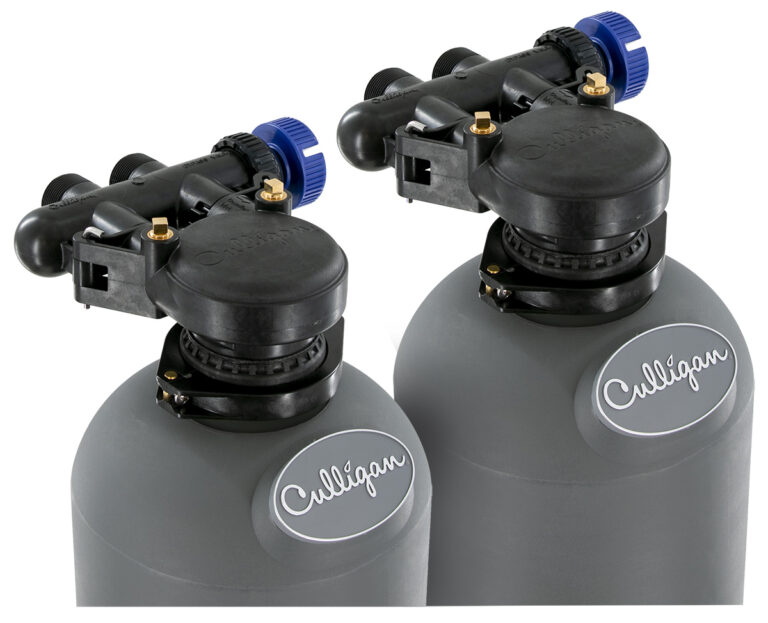
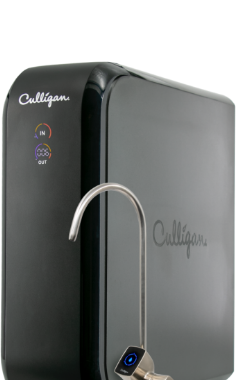
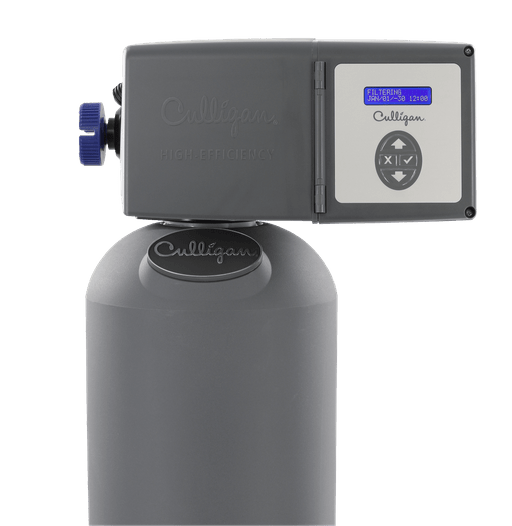
Many Arlington homeowners benefit from both. A water softener can help reduce scale, spots, and hard water buildup caused by very hard water. A whole-house filter can help improve taste and odor throughout the home. Reverse osmosis is often the best fit for more refined drinking water at the kitchen sink, especially for homeowners concerned about chlorine, fluoride, PFAS, or disinfection byproducts.
Where can I get a local tap water quality report?
You can access the most recent Arlington (Major Grid JEA) Tap Water Quality Report here.
Testimonials
Why Do Arlington, Florida
Homeowners LOVE Us?
We wanted to improve the taste of our drinking water and cut down on the buildup we were seeing around fixtures. Culligan explained our options clearly, tested our water, and helped us choose the right system for our home. The water tastes much cleaner now.

Culligan made everything easy from the first appointment through installation. They answered our questions, explained how filtration and softening could help, and made the whole process feel straightforward. We noticed a difference in our water right away.
Our tap water had a noticeable taste, and we wanted a better option for everyday drinking and cooking. Culligan gave us a clear recommendation without overcomplicating anything. The installation went smoothly, and we’re really happy with the results.


Facebook