
Why North Florida Well Owners Choose Culligan of Jacksonville
Our systems are second to none. The real advantage is that we make treating well water simple.
-
One Aquifer, Two Completely Different Water Problems
Nearly everyone here drinks the Floridan, including the City of Jacksonville, which is why the usual city-water-versus-well-water comparison does not mean much in north Florida. What decides your water is where your well sits in that aquifer. Out east under Duval, Clay, St. Johns, Nassau and Putnam the Floridan is confined, and USGS sampling describes that water as anoxic, holding under half a milligram per liter of dissolved oxygen. That is the exact condition that lets bacteria turn sulfate into hydrogen sulfide, which is why sulfur complaints cluster on this side. Head west toward High Springs, Fort White, Branford and Live Oak and the aquifer becomes unconfined and oxic, so the sulfur eases and nitrate from the surface survives instead. Same rock, opposite chemistry. Your well depth and location tell us which half you are in, and a test tells us the rest.
-
Florida Doesn't Check Your Well. One County Here Does.
Florida permits well construction through the water management districts, St. Johns River in the east and Suwannee River in the west, with much of the work delegated to county governments. In the Suwannee district the licensed contractor pulls the permit rather than the homeowner, so plenty of owners have never seen the paperwork at all. There is no statewide requirement for a water quality test when a well is finished, with one exception that matters to us: Duval is one of twelve Florida counties whose local rules require testing of newly constructed wells. Outside Duval, nobody in our service area is required to test anything. And the Department of Health is blunt about the resale question. The state of Florida does not have a requirement for well sampling when private homes are sold. Nothing ongoing is required either. The state recommends a coliform and nitrate test every year and lead every three years, and recommends is all it is.
-
Expert Installation, And We Maintain It
Culligan has been in water treatment for more than 85 years and it’s all we do. Your local Culligan delivers, installs, and maintains the system for you, so there’s no shipping damage, no unboxing, no guessing about install location, and no third-party service line when it needs attention. Schedule an appointment, then enjoy the water.
-
Make Your Water Work For You
On the fence about whether you need treatment? These are the returns that pay a system off over time.
- Over $437 a year saved on soaps, shampoos and detergents in soft water
- Over $115 a year in gas water heater energy savings
- Up to 50% more life out of dishwashers and washing machines
- No more replacing fixtures and appliances that iron and scale ruined early
Local Resources
North Florida Well Water
Why Does My Well Water
Smell Like Rotten Eggs?
Hydrogen sulfide, and north Florida has the textbook conditions for it. Where the Floridan is confined, which is most of the coastal and eastern half of our service area, USGS work describes the groundwater as anoxic, carrying less than half a milligram per liter of dissolved oxygen. Strip the oxygen out of water that already contains sulfate and sulfate-reducing bacteria do the rest, producing the gas that gives you the rotten egg smell. Two honest notes. No state agency publishes a figure for how many Florida wells have it, so we are not going to quote you a percentage. And the smell is not a reliable gauge of concentration, because at higher levels hydrogen sulfide deadens your sense of smell. Aeration and oxidizing filtration both remove it, and which one we recommend depends on your iron level, which is why the two get tested together.
What Else Is In
Floridan Well Water?
Less than the internet suggests, and the things that do show up are the ones you can see and smell. USGS sampled Upper Floridan drinking water wells, most of them private homes, and reported iron above the secondary standard in 15 percent of them, manganese in 4 percent, dissolved solids in 5 percent, chloride in 2 percent and sulfate in 1 percent. Worth sitting with those last two for a second, because they cut against a story you will hear along the coast: high chloride and dissolved solids are the exception in household wells here, not the rule. Hardness is the near-universal one. The Floridan is limestone, USGS mapping puts most of this part of the state above 180 mg/L, which is the top of the very hard band, and no agency publishes a reliable grain figure for any particular town. Yours takes about half an hour to measure.
Should I Test For Nitrate
Out In The Springs Country?
Yes, and the picture is more interesting than a scare. Of 161 Upper Floridan drinking water wells USGS sampled, only one exceeded the 10 mg/L limit for nitrate. So acute exceedance in a deep Floridan well is rare. What is not rare is enrichment: 23 percent came in above 1 mg/L against a natural background near 0.1, meaning roughly a quarter of those wells carry a clear human fingerprint. And the highest concentrations were found where the Floridan is unconfined in north-central Florida, which is our western counties. The springs tell the same story, with about half of Upper Floridan spring samples above Florida’s 0.35 mg/L springs criterion. Shallow wells deserve more attention than deep ones: monitoring wells in the surficial sand aquifer showed 16 percent over the 10 mg/L limit, though monitoring wells are sited to find problems and run higher than household wells would.
TREATMENT OPTIONS
Three Problems, Three Fixes For Your
North Florida Well
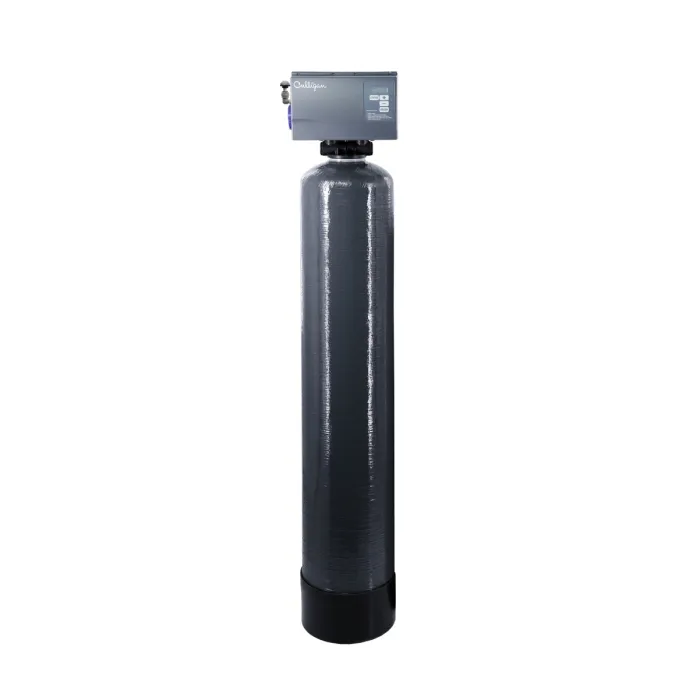
Sulfur & Iron Filtration
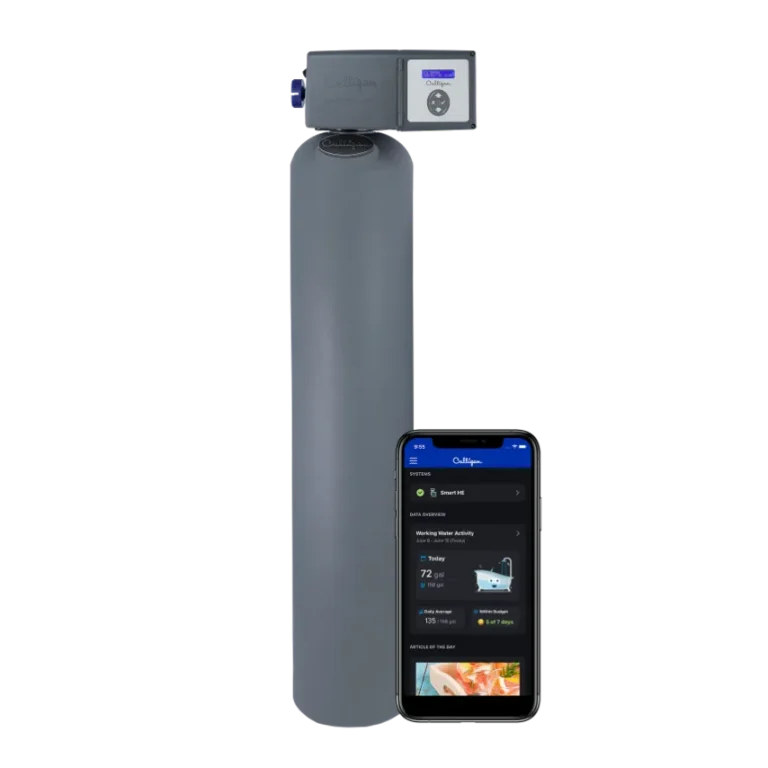
Water Softening
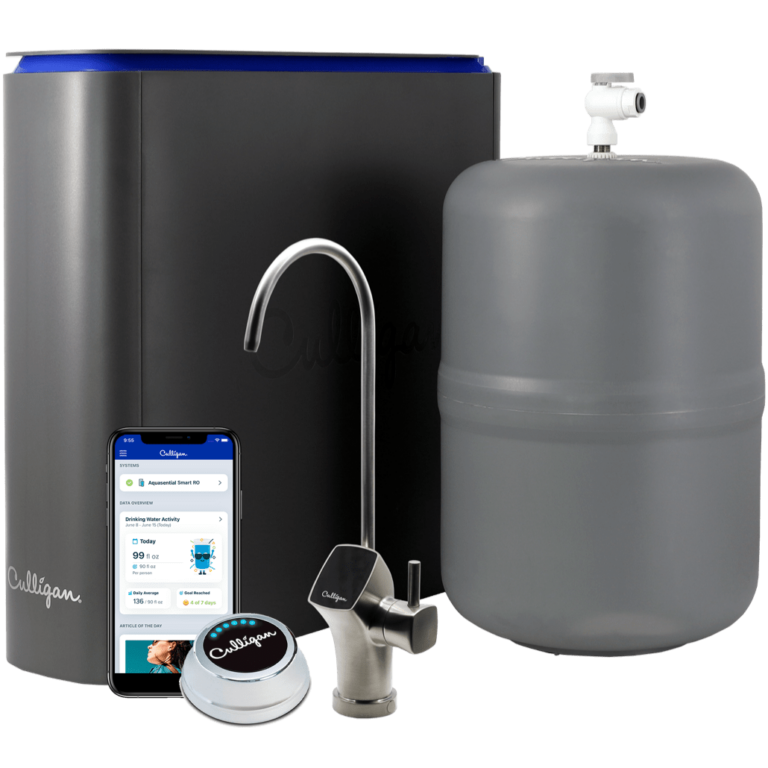
Drinking Water Systems
The Proof
Why Do North Florida Homeowners TRUST Our
Water Treatment Systems?
We have been using softener and reverse osmosis units from Culligan for six years. They are very prompt at servicing the units without issue. In the past two weeks, Mike came out to quickly address and change slowing filters on the osmosis system. He was on time, focused on his work, and very pleasant throughout the visit. Thanks for the great service!

Our biggest issue was the strong chlorine odor and sediment, especially when running multiple faucets. Since installing the whole home filtration system, that’s completely gone. Showers are more comfortable, and even guests have commented on how much better the water feels.
I am so happy I called Culligan. The staff and service are excellent I've never had a problem with them. I love my new water filter it has been doing a great job so far for an awesome price.
Sulfur Smell? Rust Stains? Scale?
Find Out What's Really
In Your North Florida Well Water!
• Fast on-site results, no mailing
• We test hardness, iron, sulfur and pH
• Flexible sample pickup options

Frequently Asked Well Water Treatment Questions
We Have Answers
Does Florida require me to test my private well?
Not as a state. There is no statewide requirement for a water quality test when a well is completed, none when a property changes hands, and none on any schedule afterward. The Department of Health states it directly: the state of Florida does not have a requirement for well sampling when private homes are sold. The one local exception in our service area is Duval County, which is among twelve Florida counties whose local rules require testing of newly constructed wells. Everywhere else here, testing is entirely voluntary.
What does the state recommend, then?
A coliform bacteria and nitrate test every year, and a lead test every three years. That is guidance rather than a rule, and nothing sends you a reminder. About 12 percent of Florida residents get their water from a private well or a limited use system, and none of those systems get the monitoring a public utility gets.
Who issues the permit for a new well?
The water management district, or a county acting under delegation from it. The St. Johns River district covers the eastern counties and the Suwannee River district covers the west. Worth knowing that in the Suwannee district the licensed well contractor pulls the permit rather than the homeowner, so many owners never handle the paperwork and may not know what was or was not tested.
Why does my well water smell like rotten eggs?
Hydrogen sulfide gas. Where the Floridan Aquifer is confined, which is most of the eastern half of this service area, the groundwater is anoxic, carrying under half a milligram per liter of dissolved oxygen. Sulfate-reducing bacteria thrive in exactly that condition and produce the gas. No agency publishes a figure for how many Florida wells are affected, so we will not quote one, but the chemistry behind it is well documented. Sulfur filtration removes it.
Is the smell a good gauge of how bad it is?
No, and this is the one safety point worth making about sulfur water. At higher concentrations hydrogen sulfide deadens your sense of smell, so a stronger problem can read as a milder one. Measure it rather than sniffing it.
How hard is well water in north Florida?
Very hard, and that is a class rather than a number. The Floridan is limestone and USGS mapping puts most of this part of the state above 180 mg/L, the threshold for the very hard category. You will see specific grain figures quoted around the internet for Jacksonville. We have not been able to verify any of them against a primary source, so we are not going to repeat one. Your own number takes about half an hour to measure and is the only one that matters for sizing a softener.
How common is iron in wells here?
USGS sampling of Upper Floridan drinking water wells, most of them private homes, found iron above the secondary standard in 15 percent of them and manganese in 4 percent. Iron and sulfur frequently travel together in this aquifer, which is why one system often handles both.
I live near the coast. Should I worry about salt in my well?
Less than you might think. In that same USGS sampling of Floridan drinking water wells, chloride exceeded its secondary standard in 2 percent and dissolved solids in 5 percent. Mineralized water does exist at depth in eastern Duval County, but the study that documented it sampled deep aquifer wells for aquifer management rather than household wells, and found most samples were more than 99 percent fresh water. Chloride can run higher near the coast and a test will tell you, but it is not the everyday north Florida well problem.
Should I test for nitrate?
Yes, and more so in the western counties. Only one of 161 Floridan drinking water wells USGS sampled exceeded the 10 mg/L limit, so a serious result is uncommon. But 23 percent were above 1 mg/L against a natural background near 0.1, and the highest concentrations turned up where the aquifer is unconfined in north central Florida, which is the Gainesville, High Springs, Fort White and Live Oak side of our territory. About half of Upper Floridan spring samples exceed Florida's springs criterion of 0.35 mg/L.
Is a shallow well worse than a deep one?
For nitrate, yes. Monitoring wells in the shallow surficial sand aquifer showed 16 percent above the 10 mg/L nitrate limit against almost none in the deep Floridan, and manganese was three times more common there too. Read that with a caveat: monitoring wells are placed to find problems, so they run higher than household wells would. Still, a shallow well has less rock between it and the surface, and it deserves a closer look.
Is there radium in our groundwater?
Not in this part of Florida. The USGS reconnaissance that established Florida's radium picture found the exceedances concentrated in the phosphate districts to the south, with Polk County carrying most of them. Northeast Florida was largely not part of that story. The one caveat worth stating: Hamilton County, out at Jasper and Jennings, does host phosphate mining and did register some results, so a well out there is worth a check. Elsewhere in our area we would not sell you a radium system.
What about radon or arsenic?
Arsenic is close to a non-issue in the Floridan, with under 1 percent of samples above the limit. Radon is the one radionuclide with a real signal here: USGS found it exceeding health benchmarks more often than any other constituent it measured, with about 3 percent above the proposed 4,000 picocurie limit. That limit is a proposal rather than an enforced standard, since EPA never finalized a radon rule for drinking water. It is worth a separate lab test if you want certainty, and aeration is the treatment.
I've heard about PFAS near the Navy bases. Does that affect my well?
The Navy is offering free private well testing for PFAS near NAS Jacksonville, Naval Station Mayport and Outlying Landing Field Whitehouse. If you are in one of those areas, take them up on it. Results have not been published in any detail, Florida has no state limit for PFAS, and the federal limits apply to public utilities rather than private wells. We would rather point you at the free test than guess.
Will my water taste salty after a softener is installed?
No. A properly functioning water softener will never make your water taste salty. The small amount of sodium added is far too little to create a salty taste.
How does a water softener work?
Through ion exchange. As it removes the calcium and magnesium that make water hard, it replaces those ions one for one with sodium. The amount added is proportional to how hard your water is, and in most cases it isn't a significant contributor to the sodium in your diet.
Will a softener reverse damage already done to my appliances?
Yes. Once a softener is installed it begins removing the scale that hard water built up. It takes a long time to clear, but it will clear.
Will a softener fix the sulfur smell?
No. Softening and sulfur removal are different jobs. A softener handles hardness; the rotten egg smell needs aeration or an oxidizing filter, and the right choice depends on how much iron comes with it. Most well homes here run both, which is covered on our post about softeners for well water.
How often do I need to add salt?
Modern softeners recharge based on how much water you use and how hard it is. Most of our customers add salt once or twice a year, and limestone water works a system harder than soft water does.
Is my well water safe to drink without treatment?
Sulfur, iron and hardness are nuisance problems at the levels we usually find here. Bacteria and nitrate are health questions and each is a separate test, worth running yearly as the state recommends. Start with a water test and we'll tell you honestly which category your results fall into.
Where should I get started?
Every recommendation we make starts with knowing what is in your water. The test is free, it happens at your house, and it takes about half an hour. You'll get your numbers explained in plain language and an honest answer about whether you need treatment at all.

Facebook