
Are There Microplastics in Jacksonville Water?
Jacksonville does not currently test or publicly report microplastic levels. In fact, no federal drinking water standard for microplastics currently exists. That said, microplastics have been detected in treated tap water supplies across the United States, including sources similar to those Jacksonville relies on.
Jacksonville’s drinking water comes entirely from the Floridan Aquifer, one of the most productive freshwater aquifers in the world. While confined aquifer systems offer natural filtration, studies have detected microplastics in aquifer systems fed by surface recharge. Studies show microplastics are present in 94% of U.S. tap water samples tested.
While no evidence suggests Jacksonville water exceeds any regulatory threshold, many homeowners choose point-of-use filtration for added protection.
What Are Microplastics?
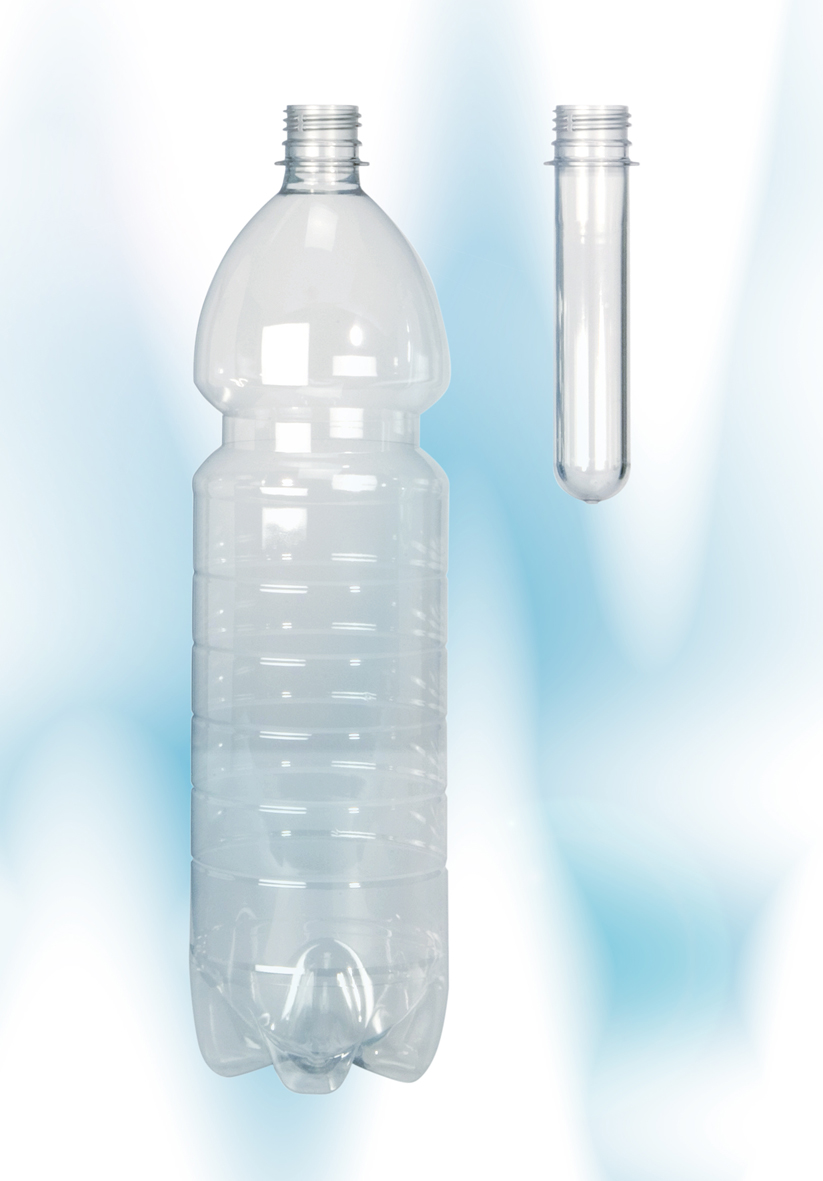
Microplastics are plastic particles smaller than 5 millimeters, roughly the size of a sesame seed or smaller. A subcategory called nanoplastics, particles under 1 micron (0.001 millimeters), can pass through biological membranes and has become an increasing focus of health research.
Where Do Microplastics Come From?
| Source | How They Enter Water |
|---|---|
| Vehicle tire wear | Road runoff carries rubber particles into storm drains and waterways |
| Synthetic clothing | Washing machines release microfibers that pass through wastewater treatment |
| Plastic packaging breakdown | UV exposure and weathering fragment bottles, bags, and containers over time |
| Personal care products | Some exfoliating scrubs and cosmetics contain plastic microbeads |
| Industrial processes | Pellets and industrial plastic fragments enter waterways through runoff |
Once in the environment, microplastic particles are too small to be captured by most conventional water treatment processes and have been found in rivers, lakes, groundwater, bottled water, and treated tap water globally.
Why Are People Concerned About Microplastics in Drinking Water?
Microplastics are classified as an emerging contaminant because long-term exposure research is still developing. Scientists are not yet able to define a “safe” level because no regulatory threshold has been established. Current areas of active investigation include:
- Chronic ingestion of plastic particles: Microplastic particles can be ingested through food and water consumption.
- Associated chemical exposure: Plastics can carry additives and absorbed pollutants, including per- and polyfluoroalkyl substances (PFAS).
- Nanoplastic penetration: Tiny plastic particles smaller than 1 micron can enter cells and have been linked to heart-related health concerns.
- Environmental accumulation: Microplastics do not biodegrade and often accumulate in aquatic ecosystems.
The EPA is currently reviewing microplastics under its emerging contaminants framework and has not yet set a Maximum Contaminant Level (MCL).
Can Microplastics Be Removed From Drinking Water?
Yes. Reverse osmosis is the most effective residential treatment option for microplastics.
Whole-house filtration can also reduce sediment and larger particles entering the home, but for microplastics specifically, a point-of-use RO system installed at the kitchen tap provides the most targeted protection.
The Aquasential® Smart Reverse Osmosis Water Filter delivers up to 7 stages of filtration, reducing microplastics along with lead, arsenic, PFAS, and other contaminants. The Aquasential™ Smart High Efficiency Whole House Water Filters provide whole-home sediment and particle reduction at the point of entry.
Solutions
Suggested Products
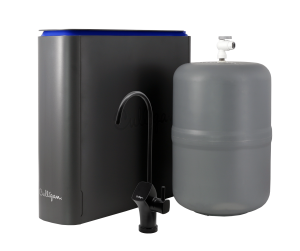
The Aquasential® Smart Reverse Osmosis Water Filter (RO)
- 7 stages of filtration and 12 filter options
- Certified for reduction of 58 contaminants
- 2-in-1 sediment and carbon filter screens out sediment and particles
- Can alert you and your dealer when service or filter replacements are needed
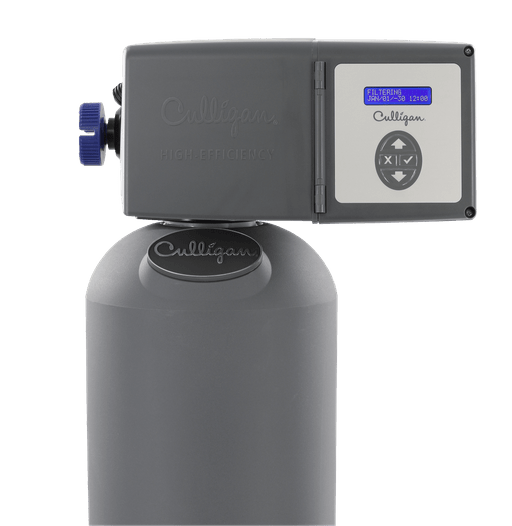
Aquasential™ Smart High Efficiency Whole House Water Filters
Reduce sediments in your water and contaminants that cause your water to appear, taste, and smell unpleasant. Your system can also lessen the taste and odor of chlorine, and prevent pipe damage and staining from low pH water. Additional customizations include:
- Culligan® Filtr-Cleer® Water Filters – Reduces Sediment Problems
- Culligan® Cullar® Water Filters – Reduces Taste and Odor Problems
- Culligan® Cullneu Water Filters – Reduces Acid Problems
How Culligan of Jacksonville Can Help
If you’re concerned about microplastics in your Jacksonville home, Culligan provides water treatment solutions based on your home’s specific water conditions.
A free in-home water test identifies current water quality concerns, including emerging contaminants, and helps determine whether a reverse osmosis drinking water system, whole-house filtration system, or a combination of both is right for your home.

Facebook