
Is There Bacteria in Jacksonville Water?
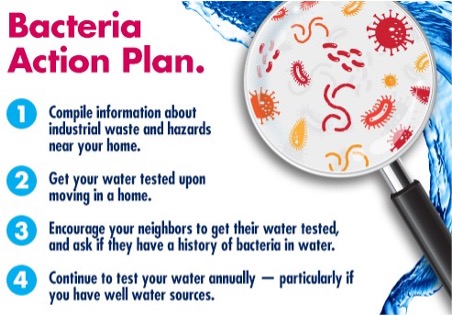
If you’re on JEA city water, disinfection and constant monitoring handle bacteria before it reaches your tap — outside of rare events like the March 2026 boil water notice, municipal bacteria problems are short-lived and publicly announced. Private wells are a different story: nobody tests your well but you. Around Jacksonville, wells in Middleburg, Julington Creek, the Northside, and out toward St. Augustine and Lake City draw from groundwater that can pick up bacteria through a cracked well cap, an aging casing, a nearby septic system, or the heavy rain and flooding Florida storm seasons deliver.
If you recently bought a home with a well and it wasn’t tested during inspection, test it now — that is the single most common way well bacteria goes undetected.
What Are Coliform Bacteria — and What Do the Types Mean?
Total coliform are common, usually harmless environmental bacteria — but they’re the canary in the coal mine. A positive total coliform test means surface contamination is reaching your water, and more dangerous organisms could follow the same path.
Fecal coliform and E. coli indicate contamination by human or animal waste — typically from septic malfunction, agricultural runoff, or flood water entering the well. Ingesting them can cause stomach illness ranging from mild upset in healthy adults to serious symptoms in children, expecting mothers, the elderly, and anyone immunocompromised.
Giardia and cryptosporidium are parasites associated with waste-contaminated or untreated water, causing severe stomach upset. Legionella becomes a concern when contaminated water is aerosolized — showers and AC systems — rather than swallowed. Iron bacteria aren’t a health threat but leave dark slime in toilet tanks and feed the rotten egg smell many well owners notice.
What Are the Signs of Bacteria in Well Water?
Most bacterial contamination has no taste, smell, or color — that’s what makes it dangerous, and why testing matters. But some warning signs do show up:
- Cloudy or discolored water (turbidity shelters microbes from disinfection)
- Unusual staining around fixtures and drains, sometimes rust-colored
- A rotten-egg or moldy smell
- Recurring stomach upset in the household with no other explanation
If your water shows these signs, stop drinking it and get it tested.
What Causes Coliform in Well Water?
| Cause | How It Gets In |
|---|---|
| Damaged well cap or casing | Surface water, insects, and debris enter the well directly |
| Septic system proximity or malfunction | Waste migrates through soil into shallow groundwater |
| Heavy rain and flooding | Florida storm runoff overwhelms the ground’s natural filtration — test after every flood event |
| Shallow, bored, or dug wells | Less natural filtration between the surface and your water |
| Well work or new pump installation | One-time contamination introduced during service |
How Often Should You Test Well Water for Bacteria?
At least once a year — and additionally after any flood, septic repair, well service, or change in taste, smell, or appearance. A free in-home water test from Culligan of Jacksonville covers the water chemistry that lets bacteria thrive (turbidity, pH, iron), and coliform-specific lab testing can be arranged when the situation calls for it.
How Do You Get Rid of Bacteria in Well Water?
It depends on whether the contamination is a one-time event or ongoing. A single positive test after well work or a storm may only need shock chlorination, followed by retesting over two to three months. If coliform keeps coming back, the well needs continuous treatment: UV disinfection — Culligan’s whole-home UV purification eliminates 99.99% of bacteria, viruses, and protozoa and pairs with your filter or water softener — or chlorination feed systems, with reverse osmosis at the kitchen tap for drinking water.
One honest caveat: no filter is certified to remove campylobacter or salmonella. If your water tests positive for those, boil your water and contact the state certification office — then address the contamination path itself.
Solutions
Suggested Products
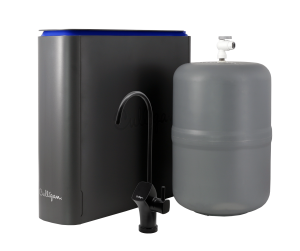
The Aquasential® Smart Reverse Osmosis Water Filter (RO)
- 7 stages of filtration and 12 filter options
- Certified for reduction of 58 contaminants
- 2-in-1 sediment and carbon filter screens out sediment and particles
- Can alert you and your dealer when service or filter replacements are needed
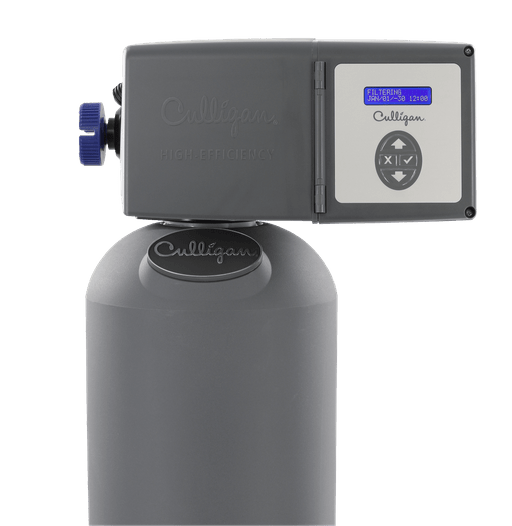
Aquasential™ Smart High Efficiency Whole House Water Filters + UV
Whole-home filtration with optional UV disinfection that eliminates 99.99% of bacteria, viruses, and protozoa. Additional customizations include:
- Culligan® Filtr-Cleer® Water Filters – Reduces Sediment Problems
- Culligan® Cullar® Water Filters – Reduces Taste and Odor Problems
- Culligan® Cullneu Water Filters – Reduces Acid Problems
How Culligan of Jacksonville Can Help
Well bacteria is a solvable problem, but the right fix depends on what’s actually in your water and how it’s getting there. A local Culligan water expert tests at your tap, helps interpret coliform results, and sizes the right combination of UV, filtration, and softening for your well — often alongside treating the iron and sulfur that Florida wells carry with it.

Facebook